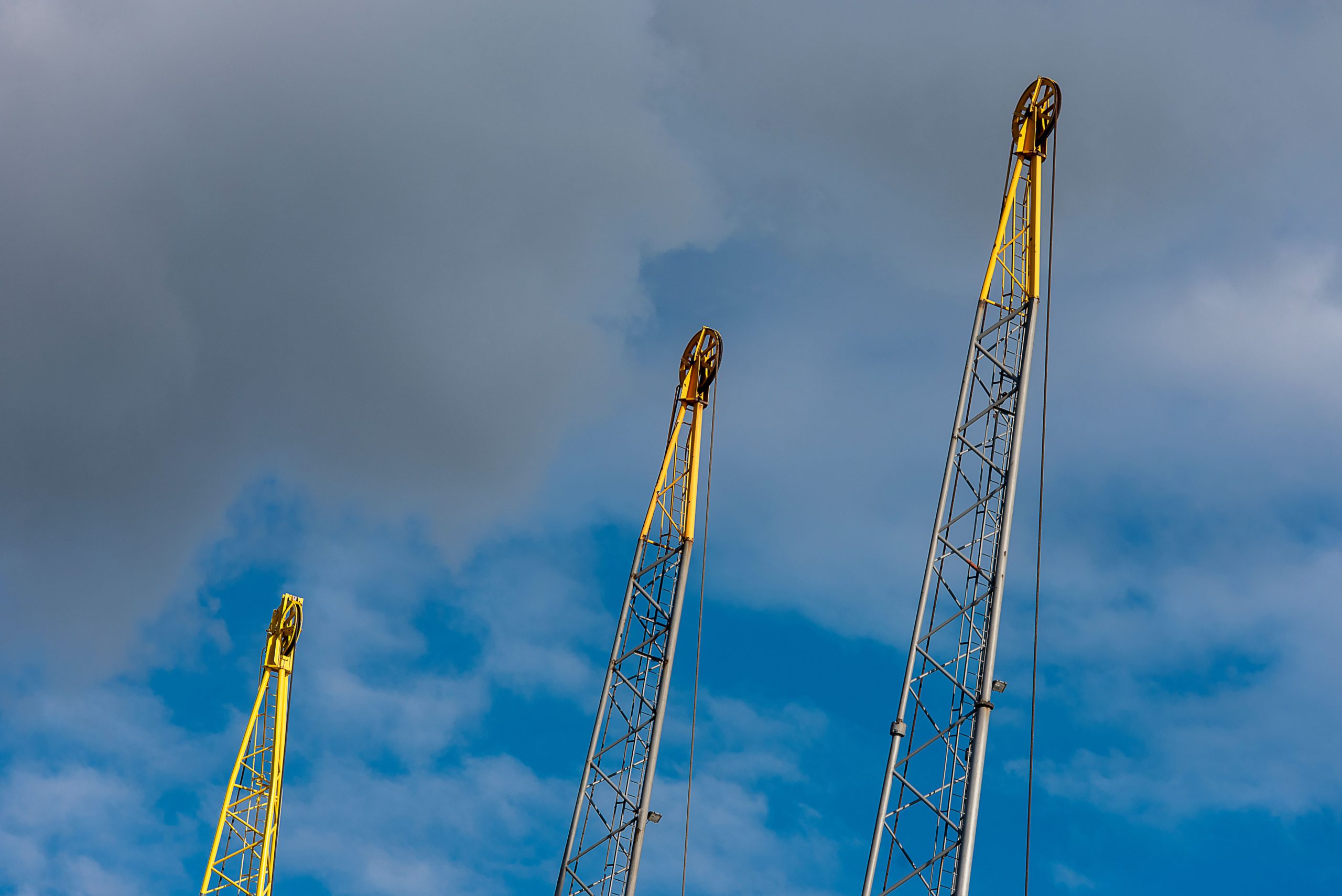
A bubble crane is a compact mobile crane commonly used for lifting operations where space, access and manoeuvrability are important considerations. These cranes typically feature a telescopic boom, wheeled chassis and operator cab, allowing them to move around construction sites and position loads. Their compact design makes them particularly useful in urban environments, industrial facilities and worksites where larger cranes may be difficult to accommodate.
Businesses researching bubble cranes hire should understand the lifting requirements of their project before selecting equipment. Factors such as load weight, lifting height, working radius, ground conditions and available access can influence the type and capacity of crane required. Choosing suitable equipment is essential for completing lifting operations efficiently and safely.
What Is a Bubble Crane?
Bubble cranes are compact mobile cranes, often associated with small rough-terrain crane designs. They are sometimes referred to as city cranes because of their suitability for confined working environments.
Unlike larger truck-mounted cranes, bubble cranes are designed to provide lifting capability within a relatively small operating footprint.
Depending on the model, they may feature four-wheel steering, telescopic booms and outriggers that provide stability during lifting operations.
Their lifting capacities and operating requirements vary considerably between models.
Common Uses of Bubble Cranes
Bubble cranes are used across construction, industrial maintenance and equipment installation projects.
Common applications include:
- Construction projects: Positioning structural components, building materials and equipment.
- Machinery installation: Moving heavy machinery within factories and industrial facilities.
- Maintenance work: Assisting with the replacement of mechanical equipment and building services.
- Restricted worksites: Completing lifting tasks where access is limited.
- Infrastructure projects: Supporting smaller lifting operations involving construction and maintenance materials.
Their compact dimensions can make them suitable for locations where larger cranes would require extensive site preparation.
Advantages of Compact Crane Equipment
One of the main advantages of a bubble crane is manoeuvrability.
Some models can navigate narrow access routes and operate in areas with limited space. This can be useful on construction sites surrounded by buildings or within industrial facilities containing existing equipment.
Telescopic booms also provide flexibility when lifting loads to different heights.
However, compact dimensions do not mean these cranes can operate safely in every confined space. Adequate clearance, ground support and lifting capacity must still be confirmed.
Assessing Lifting Requirements
Before hiring a crane, the load’s weight and dimensions should be established.
The required lifting radius is particularly important because a crane’s lifting capacity generally decreases as the distance between the load and the crane increases.
The hire provider should assess the relevant load chart to determine whether the proposed lift falls within the equipment’s rated capacity.
Obstacles, overhead services and restricted access should also be identified.
Checking Site Conditions
Ground conditions can significantly affect crane stability.
The worksite must provide suitable support for the crane and its outriggers. Uneven surfaces, underground services and potentially unstable ground may require additional assessment.
Site access should also be checked to confirm that the crane can reach its intended operating position.
Choosing a Crane Hire Provider
When comparing crane hire companies, businesses should consider equipment availability, crane specifications, operator qualifications and safety procedures.
Some providers offer crane hire with an operator, while other arrangements may require the customer to organise appropriately qualified personnel.
In Australia, applicable high-risk work licensing, plant safety requirements and site-specific procedures must be considered.
Understanding Hire Costs
Crane hire pricing can depend on equipment size, hire duration, transport requirements, operator services and site conditions.
Additional charges may apply for mobilisation, extended operating hours or specialised lifting arrangements.
Providing accurate project information allows hire companies to prepare more appropriate quotations.
Planning a Safe Lift
Bubble cranes can provide a practical lifting solution for projects with limited working space. However, successful crane operations depend on appropriate equipment selection, competent personnel and careful site planning.
By confirming load requirements, access conditions and safety arrangements before booking, businesses can select suitable crane hire services and reduce the likelihood of delays or unexpected complications.